Cut-to-Size Marble: Sourcing Custom Slabs from India
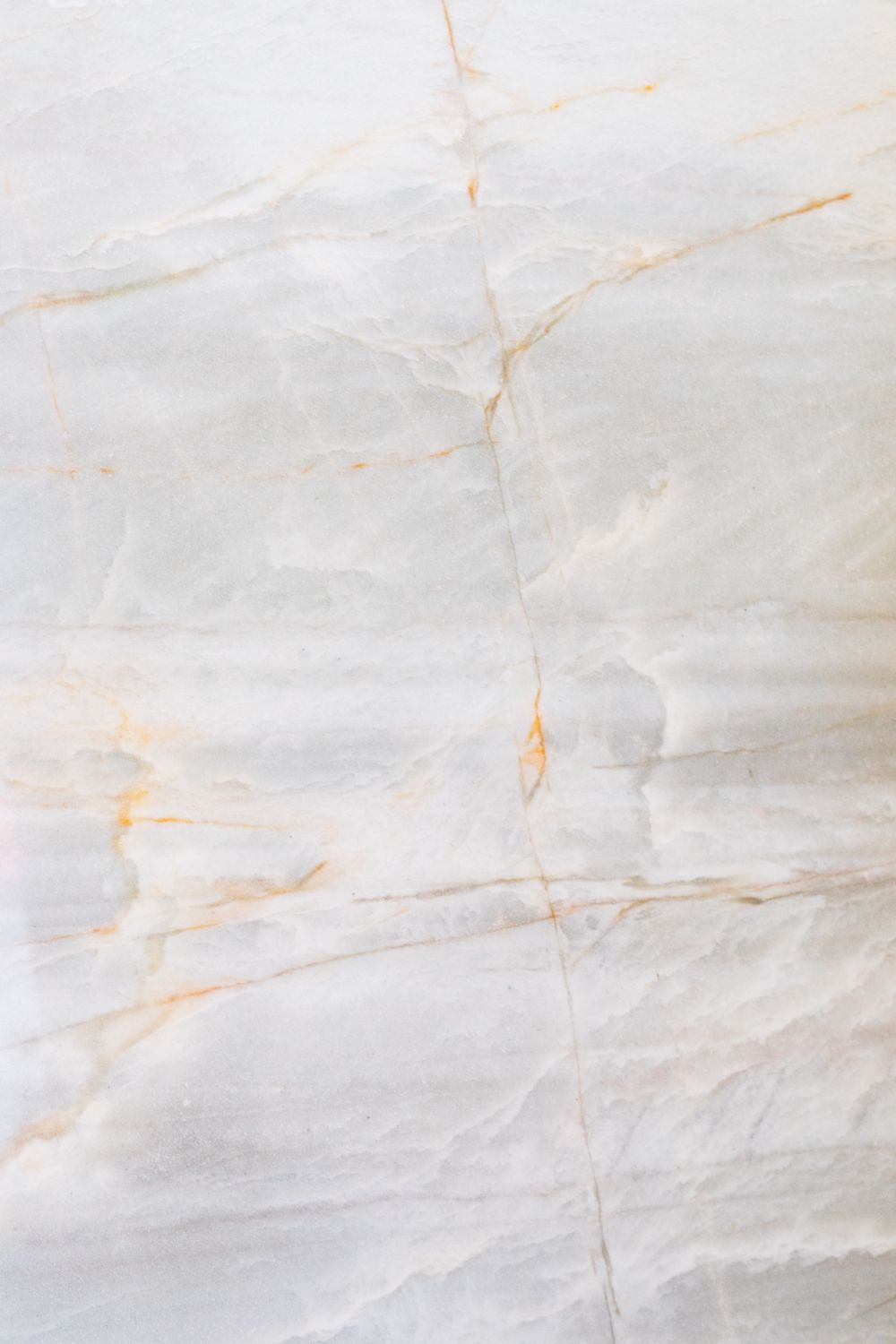
Standard-size marble tiles cover most flooring projects well, but custom architectural work — a specific countertop dimension, a bespoke staircase tread, a feature wall with an exact module size — needs cut-to-size slabs made to your drawings, not picked from a catalog of stock sizes. Sourcing cut-to-size marble from India is a genuinely different process from ordering standard tile, with different tolerances, different lead times, and different questions worth asking before you commit. This guide walks through how custom marble slab sourcing actually works.
What "Cut-to-Size" Actually Means
Cut-to-size marble refers to slabs or blocks cut to specific dimensions per your project drawings, rather than standard stock sizes (like 24x24 inches or 600x600mm) held in inventory. This can range from modest customization — a non-standard but simple rectangular dimension — to complex work involving mitered edges, precise cutouts for sinks or fixtures, and bookmatched slab pairs for a continuous veining pattern across a feature surface. The complexity of what you're asking for directly affects both price and lead time, so it's worth being specific from the first inquiry about exactly what level of customization your project needs.
Dimensional Tolerances You Should Ask About
| Tolerance Type | What to Confirm |
|---|---|
| Length/width tolerance | Typically ±1–2mm for precision-cut slabs; confirm the exporter's standard |
| Thickness tolerance | Natural stone thickness varies more than manufactured tile — ask for the range |
| Edge finish consistency | Mitered and bullnose edges require tighter tolerance than a simple straight cut |
| Vein/pattern matching across pieces | Bookmatching requires slabs cut sequentially from the same block |
Natural stone tolerances are inherently looser than manufactured porcelain, simply because you're cutting a natural material rather than pressing and firing a uniform body. A good exporter will state their standard tolerance upfront rather than leaving you to discover it when a batch arrives — ask specifically, and get it in writing as part of your purchase agreement for any project where exact fit matters (built-in cabinetry, precision countertop seams, and similar applications).
Have architectural drawings for a custom marble project?
Send us your specifications and we'll get a cut-to-size quotation from qualified exporters.
Get a Formal Quote →Bookmatching and Vein-Matched Slabs
For feature walls, statement countertops, or any application where a continuous, mirrored veining pattern across adjacent slabs matters visually, bookmatching requires the exporter to cut sequential slices from the same block and keep them paired and labeled through fabrication and shipping. This is meaningfully more involved than standard cutting — it requires careful block selection (since not every block has veining dramatic and consistent enough to bookmatch attractively), sequential slicing, and careful packaging to keep matched pairs together. Expect a longer lead time and a price premium for genuinely bookmatched work, and always request photos of the actual slabs (not generic marketing photos of the stone type) before finalizing an order, since natural veining varies significantly even within the same quarry block.
Lead Times for Custom Work
Standard cut-to-size orders from in-stock block typically add 2–4 weeks to a standard tile lead time, mostly for the additional cutting, edge-finishing, and quality inspection steps. Bookmatched or highly complex custom work (specific cutouts, mitered waterfall edges for countertops, and similar detail work) can extend lead time further, sometimes to 6–8 weeks or more from order confirmation to shipment readiness, depending on block availability and the complexity of the fabrication involved. If your project has a hard deadline, build in buffer time and confirm the exporter's current lead time estimate specifically for your level of customization rather than assuming standard tile lead times apply.
Related Reading
Pricing Structure for Custom Cuts
Cut-to-size marble is typically priced per square foot or square meter for the material itself, with additional line-item charges for edge profiling (bullnose, bevel, ogee, and similar finishes), cutouts, and bookmatching labor. Get an itemized quote rather than a single bundled number — this makes it much easier to compare quotes across exporters and to understand exactly what you're paying for if you later need to adjust the scope (removing a complex edge profile to control cost, for example, without renegotiating the entire quote from scratch).
Common Mistakes When Sourcing Custom Marble
- Not confirming dimensional tolerance in writing. Natural stone tolerances are looser than manufactured tile — get the exporter's standard tolerance documented before ordering.
- Assuming photos represent the exact slab you'll receive. For bookmatched or feature work, request photos of the actual quarried block or specific slabs, not generic stock photography.
- Underestimating lead time for complex fabrication. Cutouts, mitered edges, and bookmatching all add meaningful time beyond standard tile lead times.
- Skipping a written tolerance and inspection agreement for high-precision work. Built-in cabinetry and precision countertop applications need explicit written specifications, not verbal assumptions.
Need bookmatched slabs for a feature wall or statement countertop?
We'll source photos of actual candidate blocks before you commit to an order.
Request Samples & Pricing →Working With Your Fabricator and Exporter Together
For complex projects, it's often worth looping your installer or fabricator into direct communication with the exporter on tolerances and edge specifications, rather than relaying technical requirements secondhand through an intermediary. Fabrication details — exact miter angles, cutout dimensions relative to fixture specifications, and similar precision requirements — are easy to lose accuracy on when passed through multiple parties, and a direct technical conversation between the people actually doing the cutting and the people doing the installation tends to catch problems before they become expensive on-site surprises.
It's also worth agreeing, in advance, on how dimensional discrepancies will be handled if they're discovered after the container arrives rather than at the pre-shipment inspection stage — will the exporter re-cut and re-ship affected pieces, issue a partial credit, or some combination depending on the severity of the deviation. Getting this agreed in writing before production begins, rather than negotiating it after a problem surfaces, protects both sides and tends to keep the relationship constructive even if an issue does come up on a genuinely complex custom order.
Ready to get an itemized quote for your custom marble project?
Share your drawings and we'll break down material, edge profiling, and fabrication costs separately.
Talk to Our Export Desk →Choosing the Right Marble Type for Custom Fabrication
Not every marble variety cuts and finishes with equal precision or consistency. Denser, more uniform stones (Makrana white, certain Rajasthan varieties) tend to hold tighter tolerances and produce cleaner edge profiles than more heavily veined or fissured stones, which can require more careful handling during fabrication to avoid chipping along natural fracture lines. If your project calls for a dramatically veined stone specifically for its visual character, ask your exporter directly about their experience fabricating that particular variety to precision tolerances — some exporters specialize in certain stone types and may not have the same track record with a less common variety, even if they can technically source the raw block.
Resin-filling and reinforcement mesh backing are common treatments for more fissured or fragile stone types intended for large-format or thin-cut applications, and they can meaningfully improve durability during fabrication, shipping, and installation. Ask whether your chosen stone typically requires this treatment and whether it's included in the base price or quoted separately, since it affects both cost and the stone's long-term performance in the field.
Packaging and Transit for Custom Cut Pieces
Custom cut slabs, particularly large or thin pieces, need more careful crating than standard palletized tile — often individual wooden crates with foam or felt padding between pieces, secured to prevent movement during ocean transit. Bookmatched pairs need to travel together and be clearly labeled to preserve their sequence and orientation on arrival; a mislabeled or reordered set of bookmatched slabs can be costly and slow to sort out on-site. Ask your exporter specifically how they crate and label custom and bookmatched work, and request photos of the packaging process for any high-value custom order before the container is sealed.
Frequently Asked Questions
What dimensional tolerance should I expect on cut-to-size marble slabs?
Typically ±1–2mm for precision-cut work, though this varies by exporter and by the complexity of the cut — always get the specific tolerance for your project confirmed in writing before ordering.
How much longer does custom cutting take compared to standard tile?
Standard custom dimensions typically add 2–4 weeks to normal lead times; complex work like bookmatching or intricate cutouts can add 6–8 weeks or more depending on block availability and fabrication complexity.
Can I see photos of the actual slabs before they're cut?
For bookmatched or feature-grade work, yes — reputable exporters will provide photos of the specific quarried block or candidate slabs so you can approve the veining pattern before cutting begins.
Is cut-to-size marble more expensive than standard tile per square foot?
Generally yes, due to additional cutting, edge-finishing, and quality control labor — get an itemized quote so you understand exactly which line items (material, edge profile, cutouts) drive the premium over standard-size tile.
Do all marble varieties fabricate to the same precision tolerance?
No — denser, more uniform stones generally hold tighter tolerances than heavily fissured or dramatically veined varieties, which may need resin-filling or mesh reinforcement for large-format or thin-cut custom work. Ask your exporter about their specific experience with your chosen stone type.
Custom marble sourcing rewards buyers who communicate precisely — exact dimensions, tolerance requirements, and edge specifications — and who verify actual slab photos before committing to fabrication. Done right, cut-to-size Indian marble can deliver architectural-grade results at a meaningful cost advantage over sourcing the same custom work from European quarries.