Porcelain, GVT & Vitrified Tiles: An Exporter's Guide for International Buyers
Search for a porcelain tiles exporter or a GVT tiles exporter from India and you'll quickly notice the terminology gets tossed around loosely — "vitrified," "porcelain," "GVT," and "ceramic" are sometimes used almost interchangeably in supplier listings, even though they describe genuinely different products with different performance characteristics and price points.
That confusion costs buyers money. Ordering the wrong category for your application means either overpaying for performance you don't need, or under-specifying for a job that needed a more durable, lower-absorption tile. This guide untangles the categories, explains why porcelain tiles now dominate India's export volumes, and lays out exactly what to check — including SGS test reports — before you commit to a bulk order.
Need SGS-tested porcelain or GVT tiles?
We supply lab-tested porcelain, GVT and vitrified tiles with full documentation for export-grade orders.
Request a Quote →Vitrified, GVT and Porcelain — What's Actually Different
All three categories start from the same basic principle: firing clay at high temperature with added silica/quartz to produce a denser, less porous tile than standard ceramic. Where they diverge is in composition, finishing process, and ultimately performance:
- Vitrified tiles is the umbrella term for any tile fired to achieve low water absorption (generally under 0.5%) through vitrification. This includes several sub-categories.
- GVT (Glazed Vitrified Tiles) are vitrified tiles with a printed and glazed surface layer, allowing intricate designs — including marble-look and wood-look patterns — at a lower cost than natural stone or full-body porcelain. The glaze layer means the design doesn't run through the full thickness of the tile.
- Full-body / double-charge vitrified tiles have color and pattern applied more deeply into the tile body (though not fully through it), offering better wear resistance than basic GVT for high-traffic areas.
- Porcelain tiles are the densest, most refined category — made from finer, more purified clay and fired at the highest temperatures, resulting in the lowest water absorption and highest breaking strength of the group. Technically, porcelain is a subset of vitrified tile, but it's marketed and priced as the premium tier.
In practice, when international buyers request "porcelain tiles exporter from India," what they typically mean is: dense, low-absorption, high-strength tiles suitable for demanding commercial or premium residential use — which could technically be fulfilled by high-grade GVT, full-body vitrified, or true porcelain depending on the specific product line.
Why Porcelain Now Dominates India's Tile Exports
The shift toward porcelain isn't marketing — it's reflected directly in export data. Porcelain tiles now account for roughly 70% of India's ceramic tile export volume, having grown around 48% in a single recent year to reach approximately 423 million square meters shipped. That's a decisive move away from lower-grade ceramic and toward a category that better satisfies international building codes, commercial durability requirements, and the design expectations of large-format, marble-look and stone-look tile trends.
For buyers, this shift is good news: it means Indian manufacturers have made the capital investment in kilns, presses and glazing lines capable of producing at true porcelain specification, at export scale, rather than treating it as a niche product line.
Why SGS Testing Actually Matters
SGS (and equivalent third-party labs like Intertek and TÜV) provide independent verification of a tile's physical performance — the kind of data that "premium" or "export quality" marketing language can't substitute for. A genuine SGS tested porcelain tiles exporter should be able to provide reports covering:
- Water absorption (%) — the defining metric that separates porcelain (typically under 0.5%, often under 0.3% for true porcelain) from standard ceramic (which can run considerably higher).
- Breaking strength / modulus of rupture — critical for large-format tiles and any commercial flooring application.
- PEI abrasion rating — determines suitability for foot traffic level, from residential-only (PEI I–II) up to heavy commercial (PEI IV–V).
- Slip resistance (coefficient of friction) — especially important for wet areas, outdoor applications, and commercial spaces with liability considerations.
Ask for the actual dated certificate — not a generic product brochure that mentions "SGS tested" without a reference number or test date. A legitimate exporter will have no hesitation sharing this documentation during the quotation stage.
Want to see our lab test reports?
We share dated SGS documentation for every product line on request — no pressure, no obligation.
Ask for Test Reports →Textured and Structured Porcelain: A Growing Category
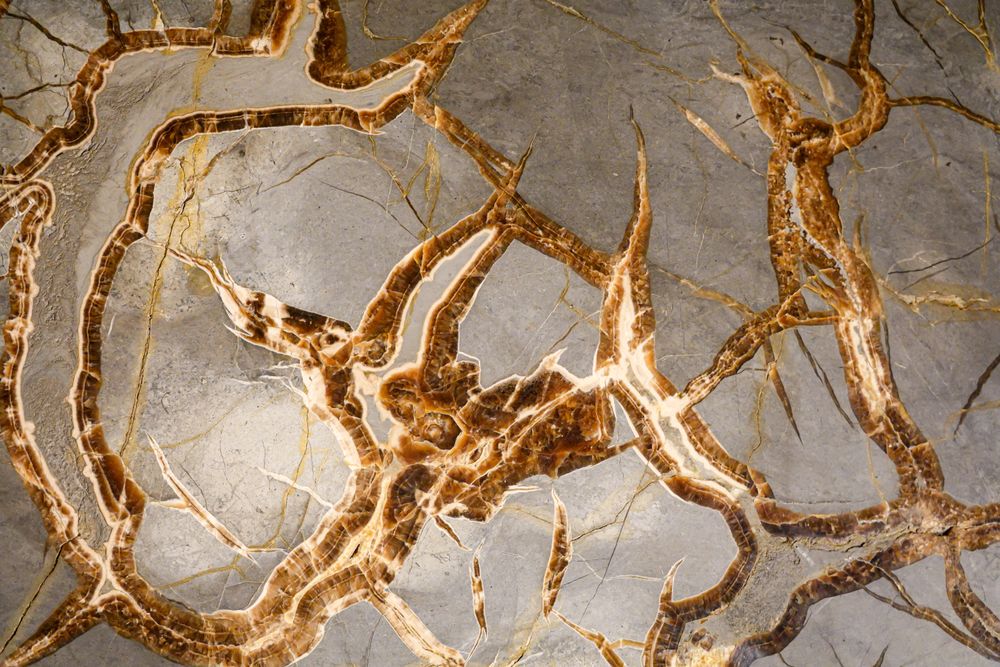
Alongside polished and matte finishes, textured (or "structured") porcelain has become a significant export category in its own right — surfaces that mimic natural stone, wood grain, concrete, or fabric texture at a tactile level, not just visually. A textured porcelain tiles bulk exporter capable of consistent surface texture across large orders is particularly valuable for hospitality, retail and outdoor commercial projects, where slip resistance and design impact both matter.
Textured porcelain typically commands a modest premium over flat-finish equivalents due to more complex press-mold tooling, but the wear-resistance and slip-resistance benefits often justify it for high-traffic or outdoor-adjacent applications.
GVT Tiles: Where They Fit in a Project
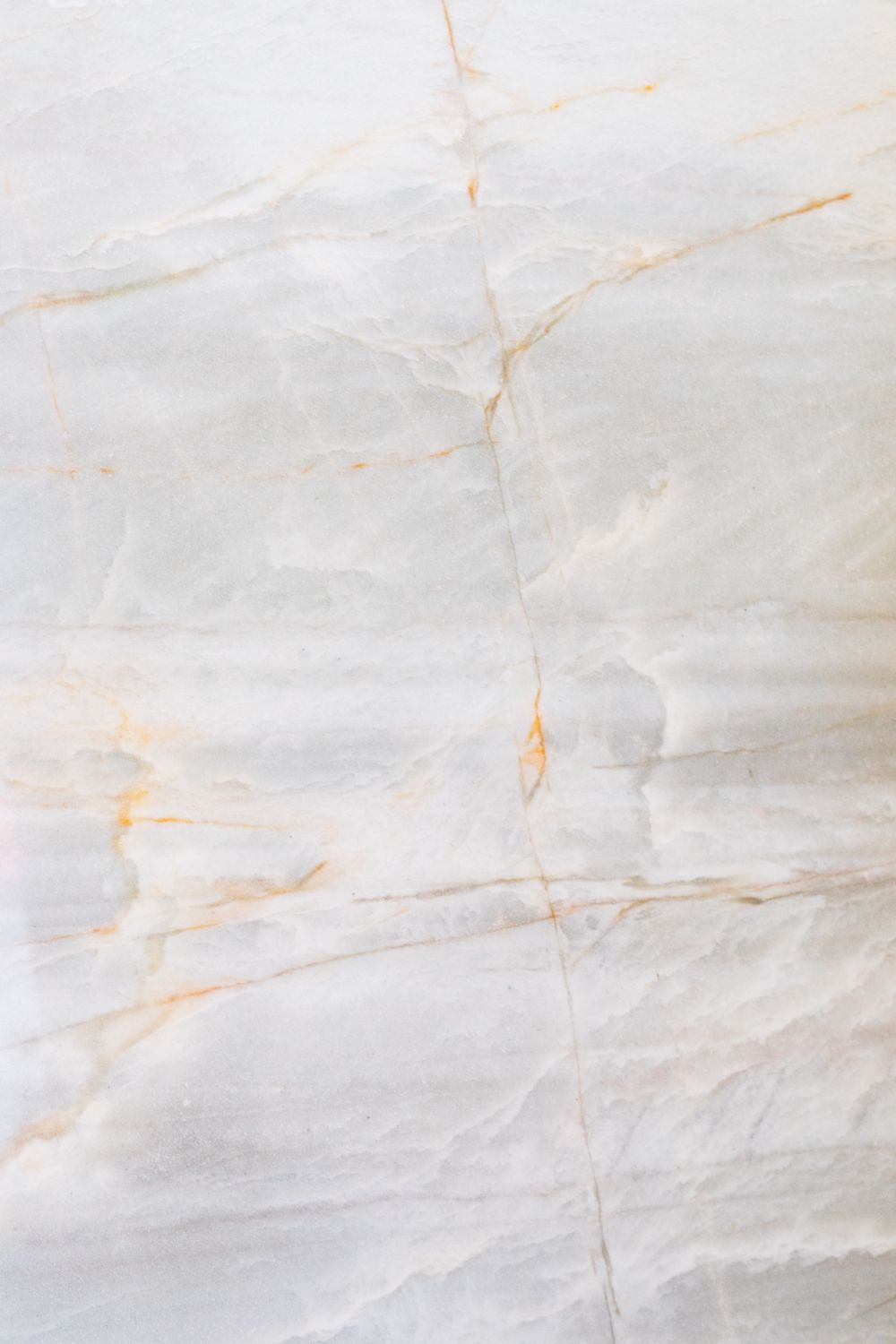
GVT remains one of the most cost-effective ways to achieve a high-design look — marble-effect, stone-effect, or richly patterned tiles — without the cost or maintenance demands of natural stone. Good GVT tiles exporters in India now produce large-format GVT (600x1200mm and above) with digital printing technology that renders remarkably realistic natural-material patterns, making it a popular substitute for natural marble in both residential and light-commercial projects.
The main trade-off versus full-body porcelain: because the design layer sits at the surface, GVT is somewhat more vulnerable to visible wear over very long timeframes in extremely high-traffic commercial settings — a reasonable trade for most residential and moderate-commercial applications given the cost savings.
| Category | Water Absorption | Best Use Case |
|---|---|---|
| Standard Ceramic | Higher (3%+) | Walls, light residential floors |
| GVT | Low (<0.5%) | Design-led residential & light commercial |
| Full-Body / Double-Charge Vitrified | Low (<0.5%) | Medium-to-heavy commercial traffic |
| Porcelain | Very Low (<0.3%) | Heavy commercial, facades, premium projects |
Vetting a Porcelain or GVT Exporter: A Practical Checklist
- Request dated third-party test reports for water absorption, breaking strength and PEI rating — not just a spec sheet.
- Confirm digital printing technology in use for GVT — modern inkjet printing produces far more realistic, less repetitive patterns than older rotary methods.
- Ask about batch/shade consistency controls for large orders, especially for large-format slabs where shade variation is highly visible once installed.
- Clarify rectification — rectified tiles (precision-cut edges) allow for minimal grout lines and a more seamless look, which many commercial specifications require.
- Check minimum order quantities per SKU — premium porcelain and large-format GVT often carry higher per-SKU MOQs than standard ceramic due to production batch sizes.
Browse our porcelain & GVT range
Large-format, textured and marble-look finishes available for export-grade bulk orders.
View Catalog →How Digital Printing Technology Changed What's Possible
A decade ago, GVT design options were limited by rotary screen printing, which repeated the same pattern every few tiles — an obvious giveaway once tiles were laid across a large floor. Modern Indian manufacturers have largely shifted to high-resolution digital inkjet printing, which can apply thousands of unique pattern variations across a single production run. This is a major reason why current-generation GVT can pass for natural marble or stone at a casual glance, and why buyers who compared GVT quality five or more years ago should take another look — the category has moved forward substantially.
Digital printing also allows faster design turnaround. Where older tooling-based methods required weeks to set up a new pattern, digital files can be swapped in far more quickly, which is part of why Indian exporters can now offer such wide design catalogs without proportionally higher costs.
Packaging, Handling and Shipping Considerations
Porcelain and GVT tiles are heavier and more prone to edge chipping than standard ceramic, so packaging quality has a direct effect on how much product arrives usable. Points worth confirming with any exporter before shipment:
- Corner and edge protection — reinforced corner guards on cartons reduce chipping risk during transit and handling.
- Palletization standard — properly strapped, shrink-wrapped pallets sized for standard container loading reduce shifting during ocean freight.
- Container loading ratio — ask how many square meters per container the exporter typically achieves; efficient loading directly lowers your per-unit freight cost.
- Breakage allowance policy — reputable exporters build a small breakage allowance into the shipment or offer a clear claims process for transit damage, rather than leaving the buyer to absorb all loss.
These details rarely show up in a product catalog, but they matter as much as the tile specification itself once you're moving a full container load internationally.
Matching Finish to Climate and Application
Polished porcelain offers the highest shine but can be more slip-prone when wet — a consideration for buyers in humid or high-rainfall regions, or for any outdoor-adjacent application. Matte and textured finishes trade some visual gloss for meaningfully better slip resistance, which is why many commercial specifications in wet climates favor matte or structured porcelain over high-gloss polished finishes, regardless of how the tile looks in a showroom photo.
Related Reading
Frequently Asked Questions
Is porcelain always better than GVT?
Not necessarily "better" — it depends on the application. Porcelain offers superior durability and lower absorption, which matters for heavy commercial traffic or exterior use, while GVT often delivers excellent value and design impact for residential and light-commercial projects at a lower price point.
What water absorption rating should I look for?
Under 0.5% is the general threshold for vitrified/porcelain classification; true porcelain typically comes in under 0.3%. For outdoor or heavy-commercial use, aim for the lower end of that range.
Can Indian exporters supply large-format slabs (like 800x1600mm or bigger)?
Yes — large-format porcelain slab production has expanded significantly among leading Indian manufacturers, though MOQs and lead times are typically longer than standard-size tiles due to specialized press and kiln requirements.
How do I confirm a supplier's SGS certificate is genuine and current?
Ask for the certificate number and test date, and cross-check directly with SGS or the relevant testing body if the order value justifies it — legitimate exporters have no issue with this level of verification.
What's a reasonable lead time for a bulk porcelain or GVT order?
Standard sizes and finishes typically ship within a few weeks of order confirmation, while large-format slabs, custom textures, or unusually large volumes can extend lead time to a couple of months. Always get a written production and shipping timeline before placing a deposit.
Should I request physical samples before committing to a bulk order?
Yes, always. Photos and digital renders cannot fully convey texture, sheen, or true color under different lighting. A small sample order or sample box is standard practice among serious buyers and a legitimate exporter will accommodate it without pushback.
The terminology gap between ceramic, vitrified, GVT and porcelain isn't just semantics — it directly affects durability, maintenance, and total project cost. Buyers who specify precisely, request real lab documentation, and match the category to the actual application consistently get better outcomes than those who simply ask for "the best tiles" and hope for the best.
Get a spec-matched quotation
Tell us your application (residential, commercial, outdoor) and we'll recommend the right category and finish.
Request a Quote →